Lighting — The Key to Mood
Why Lighting Changes Everything
In cinema, lighting is the single most powerful tool for setting mood. The same actor in the same costume looks heroic under one light and menacing under another. Brompter gives you three lighting controls that work as a system.
Lighting Source — Where Light Comes From
The source determines the physical origin of light in your scene. A studio softbox creates controlled, professional light. Neon lights create colorful, urban ambience. Natural sunlight gives organic, dynamic illumination.
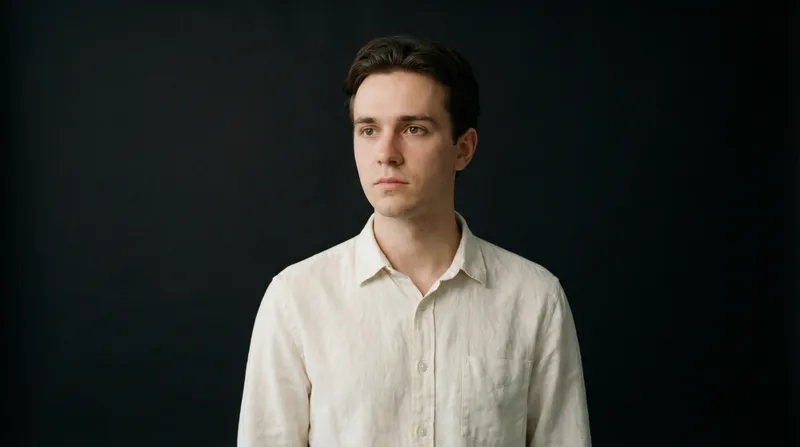
lighting sources
Studio Softbox
Controlled, even illumination that wraps gently around the subject. Minimal harsh shadows, smooth skin tones — polished, commercial-grade quality.
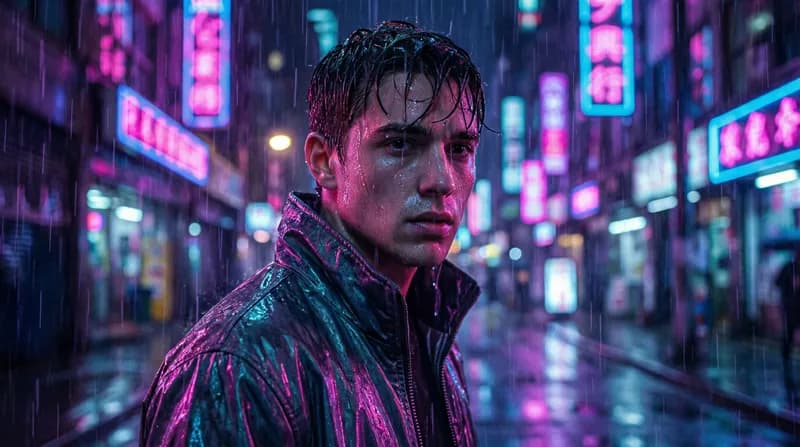
lighting sources
Neon Lights
Vivid pink, blue, and green spills across wet surfaces and skin. Electric, saturated color that screams urban nightlife and cyberpunk energy.
Lighting Style — How Light Shapes the Subject
Style describes the technique and pattern of light on your subject. Rembrandt creates a distinctive triangle of light on the cheek. Chiaroscuro gives dramatic contrast between light and dark. Butterfly creates flattering beauty lighting from above.
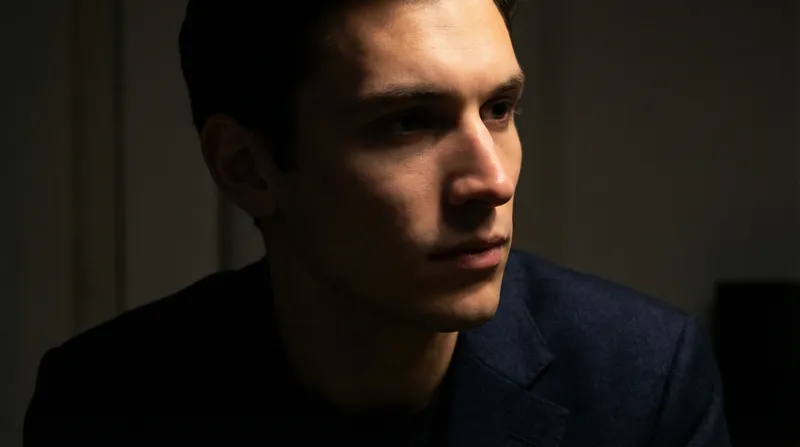
lighting styles
Rembrandt
A single key light carves a small triangle of light on the shadowed cheek. Deep, sculpted shadows add emotional weight and psychological intensity to portraits.
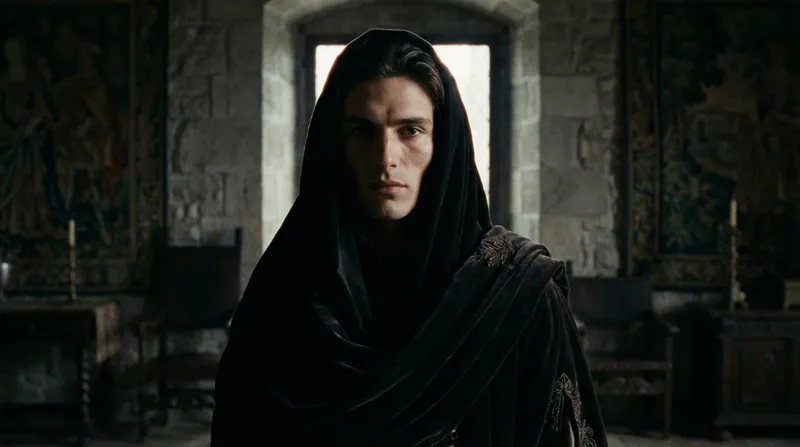
lighting styles
Chiaroscuro
Extreme contrast between deep blacks and bright highlights with almost no midtones. Painterly and sculptural — forms emerge from darkness with raw, intense visual weight.
Atmosphere — The Emotional Wrapper
Atmosphere is the overall feeling that lighting creates. "Dramatic" intensifies contrast. "Intimate" softens everything. "Electric" adds energy. Choose the emotion you want the viewer to feel.
atmospheres
Cinematic
Wide aspect ratio, rich shadows, controlled highlights, deliberate color grading. Every element feels intentionally placed, like a single frame telling an entire story.
atmospheres
Tense
Heavy shadows, tight framing, nervous energy. Sharp contrasts and shallow depth of field make everything feel like it could snap at any moment.
How They Work Together
Studio softbox → Rembrandt style → Dramatic atmosphere. Classic cinematic portrait: controlled light, distinctive shadow pattern, high emotional impact.
Neon lights → High contrast → Electric atmosphere. Cyberpunk aesthetic: colorful sources, sharp edges, buzzing energy.
The One Source Rule: On most real film sets, there's one dominant light source. Everything else is fill or accent. Apply the same principle — pick ONE lighting source, then choose a style and atmosphere that complement it.
Try Different Lighting Setups
When you click "Try in Builder," the generated prompt will be more detailed than the descriptions above — the Builder translates each parameter into full technical phrases.
Load a Rembrandt lighting setup — studio softbox with dramatic atmosphere.
Load a neon lighting setup — colorful, urban, electric.
Load a golden hour setup — warm, natural, romantic.