Anatomy of a Prompt
How a Brompter Prompt Works
Brompter builds your prompt by combining your subject with selected cinematic parameters in a specific order. Understanding this structure helps you make better choices — you'll know what each parameter actually adds to the final prompt.
The prompt is assembled in a fixed order: Subject → Style → Camera → Composition → Lighting → Mood → Technical. Each section adds a prompt fragment — a short phrase that the AI model understands.
Each parameter you select has a hidden prompt fragment — a professional phrase that AI models respond to best. For example, selecting "Rembrandt" lighting doesn't just add the word "Rembrandt" — it generates "Rembrandt lighting with triangle of light on cheek and dramatic shadows." The Builder translates your simple choices into the language AI understands.
1. Subject — The Foundation
Everything starts with your subject. This is the only free-text field, and it's the most important part. Be specific and visual: describe what you see, not what you feel.
2. Style — The Visual Language
Style sets the overall visual approach. "Cinematic" means dramatic lighting and widescreen framing. "Documentary" means natural, unposed. Each style adds a specific prompt fragment.
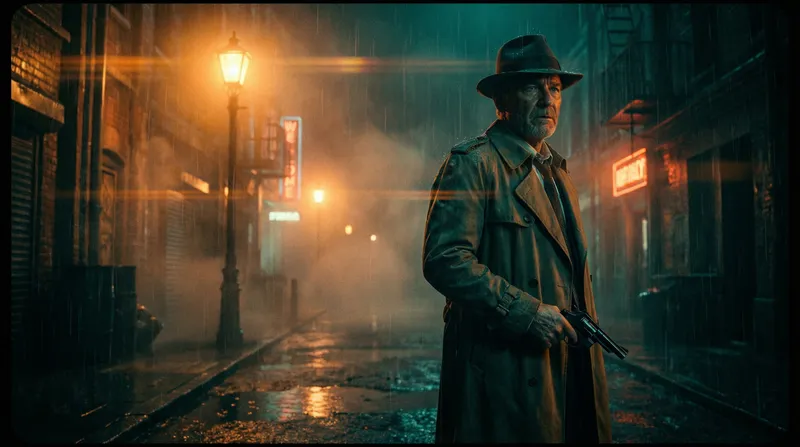
styles
Cinematic
Dramatic color grading, shallow depth of field, and widescreen framing. Every frame looks like a still pulled from a blockbuster movie.
3. Camera — The Perspective
Camera angle determines how the viewer relates to the subject. Eye-level feels neutral and intimate. Low angle conveys power. Bird's eye creates abstraction.
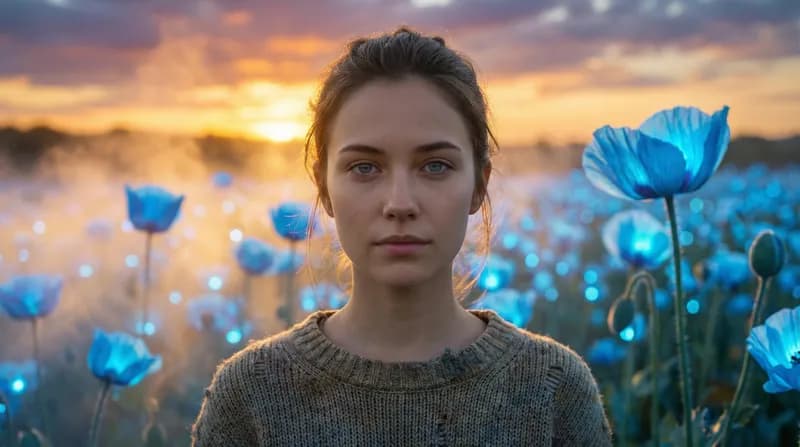
camera angles
Eye-Level
Flat, neutral perspective with zero distortion. The viewer meets the subject as an equal -- no power shift, no drama, just honest, direct connection.
4. Lighting — The Atmosphere
Lighting has three sub-parameters: source (where light comes from), style (how it shapes the subject), and atmosphere (the overall mood). They work as a system.
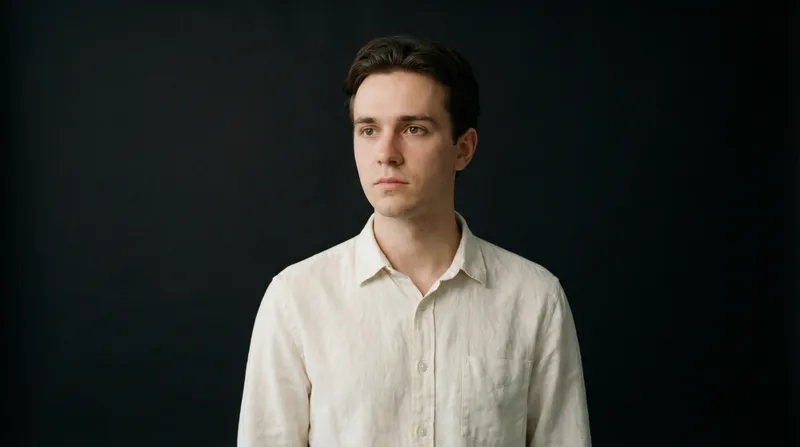
lighting sources
Studio Softbox
Controlled, even illumination that wraps gently around the subject. Minimal harsh shadows, smooth skin tones — polished, commercial-grade quality.
5. Mood — The Emotional Layer
Atmosphere wraps everything in an emotional quality. "Intimate" creates closeness. "Epic" creates scale. Choose one that aligns with your subject and style.
atmospheres
Cinematic
Wide aspect ratio, rich shadows, controlled highlights, deliberate color grading. Every element feels intentionally placed, like a single frame telling an entire story.
The Final Prompt
Prompt
A cinematic film still of a woman reading by candlelight, shot from eye-level perspective, composed using the rule of thirds, lit with practical light source, Rembrandt lighting style, intimate atmosphere
Prompt
Subject: "a woman reading by candlelight" → Style: "A cinematic film still" → Angle: "shot from eye-level" → Composition: "rule of thirds" → Light: "practical light, Rembrandt" → Mood: "intimate atmosphere"